

Master Wellness Habits That Stick Through Stress and Busy Days
Busy adults juggling work, family, and a packed calendar often want healthy lifestyle habits, yet wellness goal challenges keep pulling them into a start-stop loop. The real culprits usually aren’t laziness or lack of motivation; they’re stress management gaps, unrealistic expectations, and all-or-nothing thinking that turns one missed day into a full reset. Self-care consistency gets easier when it’s treated as a learnable skill, something that can fit real life, rather than a personality trait reserved for “disciplined” people. With the right mindset and support, steady progress becomes the default.
Borrow Career Goal Skills to Stay Steady on Self-Care
Staying true to your career goals often comes down to showing up consistently, even when your motivation dips, because you’ve decided the long game matters. You make a plan that fits your real life, you follow it, and you adjust without abandoning the goal entirely. Sometimes staying committed also means changing direction: if you’re shifting careers, going back to school for an online degree can make it possible to learn while you work. If that’s on your mind, flexible online MBA coursework can help you build knowledge in business, strategy, and management, while also developing leadership, self-awareness, and self-assessment.
Build a Wellness Plan You Can Actually Keep
This process helps you pick self-care activities you will realistically do, then turn them into a small, repeatable plan that holds up even when life gets hectic. It matters because consistency is less about willpower and more about making the next healthy choice easier to follow through on.
- Choose activities you genuinely enjoy
Start by listing 5 to 10 wellness options you do not dread, like walking, stretching, journaling, calling a friend, or cooking one simple meal. Then circle the ones that fit your current energy, budget, and schedule, because the “best” habit is the one you will repeat. - Pick one or two objectives that match your season
Turn your wish into a clear target by using the idea that a goal is an aspirational statement about what you want to achieve, such as “feel calmer in the evenings” or “move my body most days.” Choose just one or two for now so you can build momentum without feeling pulled in ten directions. - Schedule self-care like a real appointment
Put your chosen activities on your calendar with a specific day and time, even if it is only 10 to 20 minutes. If you can, tie it to something you already do, like a walk right after work or five minutes of stretching after brushing your teeth. - Set a minimum you can do on busy weeks
Decide the smallest version of each habit that still counts, such as “walk for 5 minutes” or “write three sentences.” Minimums protect your streak and your identity as someone who shows up, even when the perfect plan is not possible. - Review weekly and adjust without quitting
Once a week, check what you actually did and what got in the way, then make one small tweak like moving a time slot or swapping an activity. Keep what worked, drop what did not, and treat the plan like a living draft.
Use CBD and Essential Oils Safely for Everyday Calm
Once your plan is realistic, it helps to have small tools that make the daily follow-through feel calmer. CBD and essential oils can support self-care by promoting relaxation and easing tension; common uses include adding oils to a diffuser or applying diluted blends to skin, and using CBD oils, gummies, or topicals. Start low and go slow, patch-test oils, never ingest essential oils, and check labels, interactions, and local rules, especially if pregnant or on meds. Next, we’ll cover how to track progress and reset after slips.
Wellness Consistency Questions, Answered
Q: What’s the simplest way to track progress without obsessing?
A: Pick 3 to 5 signals and keep them steady for a month. A quick daily checkmark works, especially when you track the basics like sleep, hydration, movement, stress, and recovery. Review once a week and look for patterns, not perfection.
Q: How do I self-assess without judging myself?
A: Treat it like information, not a grade. The point of self-assessment is noticing strengths and limitations so you can adjust your plan with kindness. Try one prompt: “What made this easier, and what got in the way?”
Q: How can I stay accountable if I don’t have much support?
A: Make accountability small and specific: a weekly text to one person, a shared habit tracker, or a standing calendar reminder to report “done or not done.” If you do have someone you trust, a wellness partner can help you follow through without taking over.
Q: When I miss a week, how do I restart without relying on willpower?
A: Use a “minimum restart” for three days: choose one tiny habit you can’t fail, like a 5-minute walk or filling a water bottle. Tie it to an existing routine, like after brushing your teeth, so the cue carries you. Once you have three wins, add the next small step.
Q: Should I track mood and motivation too, or just behaviors?
A: Track both, but lightly. Rate energy or mood 1 to 5 once a day, then note one behavior you did anyway. Over time, you’ll see you can act even when motivation is low.
Build Consistency by Choosing One Self-Care Habit This Week
Consistency can feel hardest when motivation dips, life gets messy, and one missed week turns into “why bother?” The steadier path is the mindset of small commitments, honest check-ins, and embracing challenges as part of sustaining healthy routines, not a sign you’re failing. Over time, that approach builds positive habits, strengthens self-care motivation, and supports long-term wellness maintenance even through imperfect seasons. Consistency is choosing the next small step, especially after a setback.
Disclosure: This blog may contain affiliate links. If you make a purchase using one of these links, I may earn a small commission at no cost to you. All opinions are strictly my own and do not reflect the company or product I am reviewing.Disclaimer: Sweet Honeybee Health and it’s owners are not medical professionals. Content on this website is intended for informational purposes only. I research and write on numerous health topics and companies. Do not use the information you find on this site as medical advice. You are encouraged to seek the advice of a medical professional prior to trying any health remedy, no matter how safe or risk-free it may claim to be.


You May Also Like
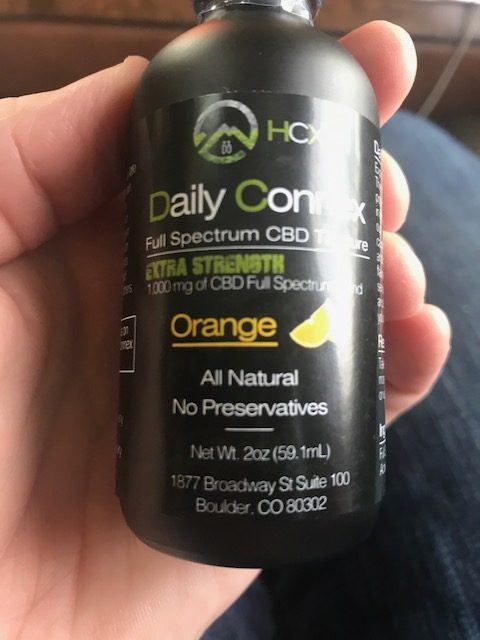
A product that helped my chronic pain and anxiety.

The Importance of Good Posture and How to Achieve It